Gutter Repair Hackettstown for Stronger, Cleaner Drainage Systems

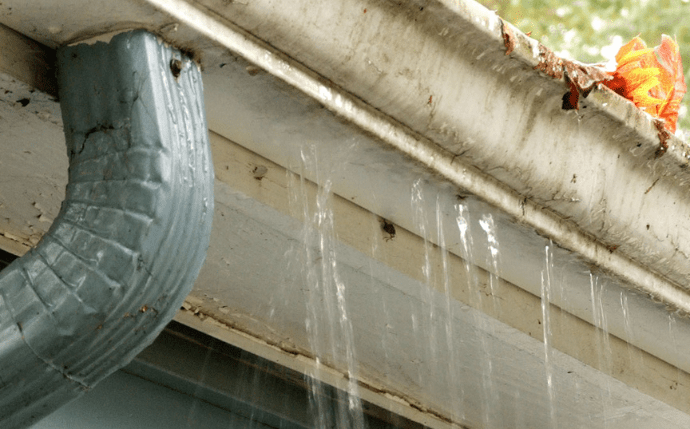
A gutter system does quiet, unglamorous work until the day it stops. Then every weak point around a home starts to show itself. Water streaks down siding. Mulch washes out of beds. Basement walls pick up dampness. Fascia boards soften. In winter, ice forms where it should not. For homeowners who need Gutter Repair Hackettstown, the problem is rarely just a bent section of aluminum or a loose spike. It is a drainage system that has fallen out of balance.
That distinction matters. A gutter is not simply a trough attached to the roofline. It is part of a water management route that starts at the shingles and ends well away from the foundation. When one section fails, the rest of the house absorbs the cost. After enough seasons of freeze-thaw cycles, leaf buildup, hard rain, and neglected maintenance, small flaws turn into expensive structural repairs.
Hackettstown homes see a bit of everything. Mature trees create steady debris. Winter weather tests hangers, seams, and pitch. Spring storms reveal every place water hesitates or overflows. Summer can hide damage behind green landscaping, then fall clogs expose it all at once. A durable drainage system has to handle that full cycle, not just look straight from the driveway.
Why gutters fail before homeowners expect them to
People often assume gutters wear out only when they get old. Age plays a role, but it is usually not the first reason I see systems fail. More often, the trouble starts with installation shortcuts, deferred cleaning, or repairs that fixed symptoms rather than the actual drainage pattern.
Pitch is a common culprit. Gutters should slope enough to move water efficiently toward downspouts, but not so aggressively that water outruns the flow line or leaves standing sections elsewhere. A tiny miscalculation over a long run can cause repeated overflow at one corner. On a dry day, the gutter may look perfectly fine. During a heavy rain, it behaves like a bathtub.
Fasteners are another overlooked issue. Older spike-and-ferrule systems loosen over time, especially on homes where ice loading is common. Every time ice forms and expands, then melts and shifts, the gutter pulls slightly away from the fascia. That gap invites more movement, more water behind the gutter, and eventually rot where the wood was supposed to remain protected.
Seams also age poorly when they are stressed by clogs and standing water. Sealants have service lives. Ultraviolet exposure, expansion, contraction, and debris abrasion all chip away at them. A seam leak can https://laneddwi554.huicopper.com/gutter-repair-hackettstown-for-better-curb-appeal-and-protection seem minor, but if it drips over the same area month after month, it stains siding, saturates trim, and erodes the soil below.
Then there is capacity. Some homes have gutters that are simply undersized for the roof area feeding them. That is especially noticeable on steep roofs or valleys where runoff concentrates quickly. In lighter rain, the system appears adequate. Under a summer downpour, it sheets over the edge because it never had enough room to carry the volume in the first place.
The signs that point to repair, not replacement
Not every troubled gutter system needs to be torn off and replaced. Good repair work can add years of service if the metal is still sound and the layout makes sense. The key is knowing when the issues are localized and when they are systemic.
Here are the most reliable signs that repair is still a practical option:
- A few separated seams or corner leaks, with the rest of the gutter body still structurally solid
- Loose hangers or spikes in isolated areas, especially near downspouts or high-debris sections
- Minor sagging caused by clog weight or fastener failure, where fascia damage has not spread
- Downspouts that drain poorly because of blockage, poor extension, or a disconnected elbow
- Overflow tied to pitch corrections or cleaning issues rather than widespread rust or cracking
Repairs make the most sense when the system can still be brought back into proper alignment. If large sections are rusted through, crushed, badly twisted, or repeatedly patched in the same spots, replacement becomes the more honest recommendation. There is no value in sealing a gutter that has already lost its shape and strength.
What a proper repair actually involves
The phrase "gutter repair" gets used loosely. Some people mean scooping out leaves. Others mean replacing an entire downspout run. A professional assessment usually starts with a water-path review, not just a glance at the visible damage.
First, the gutter should be checked for attachment integrity. That means inspecting hangers, spikes, brackets, ferrules, and the fascia they are fastened into. If the wood behind the gutter has softened, new fasteners alone will not hold for long. The repair has to address the substrate or relocate fastening points into solid backing.
Next comes pitch verification. On a long run, even a quarter inch here or there can affect how water behaves. I have seen gutters that were technically attached well but held water every ten feet because the run settled unevenly over time. A proper repair includes rehanging and re-establishing slope, not just sealing leaks that are caused by trapped water.
Seam restoration comes after the structure is sound. Old sealant should not simply be covered with more sealant if the joint is contaminated or the gap has widened due to movement. The area needs to be cleaned, dried, and reset appropriately. On some systems, replacing a short failed section is cleaner and more durable than trying to rescue a badly distorted seam.
Downspouts deserve the same attention. A gutter can be perfectly pitched and still fail if the downspouts are undersized, clogged, or discharging too close to the home. Repair often means improving the whole exit path. That may include reconnecting elbows, securing straps, extending discharge points, or correcting an underground drain connection that no longer accepts flow.
This is where many low-cost patch jobs fall apart. They address what is dripping, not why it is dripping.
Problem spots common around Hackettstown homes
The local housing mix creates its own drainage challenges. Older homes often have fascia boards that have seen decades of moisture cycling. Newer homes may have long rooflines and large roof planes that demand more flow capacity than a basic builder-grade system can comfortably handle. Homes under tree cover deal with repeated clogs, especially where leaves mat together and trap shingle grit.
Front entries are a frequent weak point. The gutter over a porch or entry often handles concentrated runoff from upper roof sections. When that small section clogs or sags, water spills directly where people walk. In winter, that becomes more than a nuisance. It creates a slip hazard and encourages ice buildup at the threshold.
Rear roof valleys are another repeat offender. Valleys dump a surprising amount of water in a tight area. If the receiving gutter lacks enough capacity, enough outlets, or a properly placed splash guard, water can leap the edge during a hard storm. Homeowners sometimes mistake that for a roof leak because the effect on the wall below can be so dramatic.
Detached garages and additions also create odd drainage transitions. A repair on the main house may not solve the erosion issue if an adjacent roofline still dumps water toward the same low spot in the yard. When people search for Gutter Repair Hackettstown, they are often chasing symptoms around the property. A good repair plan ties those symptoms back to the full drainage picture.
The hidden damage caused by postponing repairs
Gutter problems are easy to put off because they rarely stop daily life. The house still stands. The rain passes. The drip goes quiet. But water is patient, and the damage builds slowly enough that many owners do not connect it to the gutters until the bill gets serious.
One of the most expensive outcomes is fascia and soffit deterioration. Once water gets behind the gutter line, wood stays damp longer than it should. Paint peels. Fibers soften. Carpenter ants and other pests become more likely in some settings. Repairing rotten trim is far more involved than rehanging a loose gutter.
Foundation stress is another issue. The average homeowner notices splashback or a muddy bed, but the more important problem is repeated saturation near the footing. Not every wet perimeter creates a structural concern, but poor drainage increases the odds of settlement, cracks, and basement moisture. On sloped lots, runoff can also cut channels through landscaping and undermine walkways over time.
Siding and masonry suffer too. Water spilling from an overflowing gutter does not distribute evenly. It hits the same section again and again, leaving stripes, staining, and freeze-related wear. Brick mortar joints, window trim, and lower wall materials all age faster when they are asked to handle water that should have been routed overhead and away.
There is also the issue of ice. A gutter that holds standing water becomes a better candidate for freezing. Freeze-thaw movement strains joints and hangers. Ice at the eaves can back water into roof edges under the right conditions. Homeowners sometimes focus on winter roof concerns without noticing that the gutter geometry set the stage months earlier.
Repair versus replacement, a judgment call with real cost implications
Most homeowners want a clear answer. Repair or replace. The honest answer depends on metal condition, system design, and how many separate failures are occurring at once.
If the gutter body is intact, the profile fits the roof load reasonably well, and damage is limited to seams, hangers, or a few mispitched sections, repair is usually the sensible route. It costs less, creates less disruption, and preserves serviceable material. This is particularly true when the issue was accelerated by clogging or one storm event rather than years of corrosion.
Replacement starts to make more sense when problems repeat across the whole system. Widespread rust, chronic overflow from undersized gutters, extensive fascia damage, or multiple prior patch attempts all point in that direction. I have seen homeowners pay for three small repairs across two years, only to spend more overall than they would have on a well-designed replacement from the start.
There is also an aesthetic factor, though it should never come first. If one elevation of the house has heavily oxidized or bent gutters, replacing a large visible section can improve both performance and curb appeal. But cosmetic concern should not drive the decision unless the structural basics are already addressed.
A practical contractor should explain where repair has a strong chance of lasting and where it is simply buying time. Both answers can be valid if they are stated clearly.
Materials matter, but installation matters more
Aluminum remains the most common gutter material for good reason. It is relatively lightweight, resists rust, and can provide years of dependable performance when installed correctly. Steel offers strength but requires more attention to corrosion risk. Copper lasts beautifully in the right context, though it sits in a different budget category and needs installers who understand it.
Still, material alone does not save a poor installation. I have seen premium gutters fail because of bad pitch, weak fastening, or careless downspout placement. I have also seen modest aluminum systems last admirably because the installer respected water flow, hanger spacing, and outlet positioning.
Seamless gutters reduce leak points, but they are not immune to failure. Corners, outlets, and end caps still need careful work. Likewise, gutter guards can help in the right setting, but they are not magical. Some perform well with certain leaf types and roof pitches, while others allow fine debris to accumulate over time or make maintenance more complicated than homeowners expect.
That is why Gutter Repair Hackettstown should not be approached like buying a commodity. The goal is not just attaching metal to the edge of the roof. The goal is making the drainage route work under local conditions, season after season.
A repair visit should include more than the gutter itself
A thorough service call often reveals issues outside the gutter run. Roof edges, drip edge placement, flashing, and nearby tree growth all affect performance. If shingles extend too far or not far enough into the gutter, runoff can behave unpredictably. If a tree branch keeps dropping concentrated debris into one inside corner, the best sealant in the world will not solve the recurring blockage.
Ground conditions should be part of the conversation as well. I have seen homeowners frustrated with "bad gutters" when the real issue was a downspout discharging onto compacted soil that pitched back toward the home. The gutter moved water off the roof exactly as intended, then the grade sent it right back to the foundation.
One of the best repair outcomes is when a contractor notices these connected issues early. That allows the homeowner to fix the small chain of problems before they become one large one.
Sensible upkeep after the repair is done
Once a system has been restored, a little routine attention goes a long way. Most homeowners do not need a complicated maintenance plan. They need consistency and a willingness to act before a minor issue repeats itself for a full season.
A sound post-repair routine usually includes:
- Cleaning or checking gutters at least twice a year, more often if the property has heavy tree cover
- Watching how downspouts discharge during the first hard rain after repair
- Checking for fastener movement, drips at seams, and water marks on fascia or siding
- Keeping splash blocks, extensions, and drain outlets clear at ground level
- Trimming back branches that feed the same trouble spots with leaves and twigs
The first strong storm after a repair tells you a lot. If water runs cleanly, exits quickly, and stays away from the foundation, the system is doing its job. If you still see overshoot, pooling, or drips from a repaired seam, that should be revisited promptly while the scope is still small.
What homeowners should ask before approving gutter work
Good repair work begins with good questions. Homeowners do not need to know every technical detail, but they should understand what failed, why it failed, and how the proposed fix addresses the cause.
Ask whether the issue is isolated or system-wide. Ask whether the fascia behind the gutter is sound. Ask if the pitch will be corrected, not just the leak sealed. Ask where the water will go after it leaves the downspout. If a contractor suggests guards, ask what kind of debris they are meant to handle and what maintenance they still require.
It is also worth asking how much life the contractor expects from the repair. No one can predict exact years, but an experienced professional should be able to distinguish between a durable correction and a temporary stabilization. That kind of candor saves money and frustration.
Pricing should reflect scope honestly. A very low quote sometimes means the work is limited to caulk and reattachment at the visible problem spot. That may be enough in some cases. In others, it ignores the pitch, the backing wood, or the discharge issue that created the leak in the first place.
Cleaner drainage protects more than the gutter line
When gutters perform well, the whole property benefits. Walkways stay safer. Planting beds hold their shape. Siding stays cleaner. Lower-level windows take less weathering. Foundation walls remain drier. Even routine exterior maintenance becomes easier because grime and splashback are reduced.
That is why the phrase "stronger, cleaner drainage systems" is not just marketing language. Strength matters because the system must stay attached, aligned, and watertight through storms, snow, and heat. Clean drainage matters because water needs an unobstructed route from roof to ground without spilling where it can do harm.
For homes in and around Hackettstown, that usually means paying attention before damage becomes dramatic. The best gutter repairs are the ones that restore flow, reinforce weak points, and quietly prevent larger problems from ever getting started. When handled with care, a repaired system should disappear back into the background, doing exactly what it was built to do, move water away from the house reliably, efficiently, and without fanfare.
Just Gutters LLC
Address: 262 Main St, Hackettstown, NJ 07840
Phone number: +12013319454
FAQ About Gutter Repair Hackettstown
What is the average cost to repair gutters?
The average cost to repair gutters is about $390, with most jobs ranging from $120 to $900 depending on the damage. You can explore detailed data and estimates on Angi.
Can I repair a gutter myself?
Yes, you can easily repair most common gutter problems yourself if you are comfortable working on a ladder.
How much does it cost to repair a leaking gutter?
The average cost to repair a leaking gutter ranges from $75 to $350. Most homeowners spend around $150 to $250 to hire a professional to patch small holes or reseal leaking joints. If the damage is severe and requires replacing entire sections, the price can increase from $300 to $800.